Primary Device
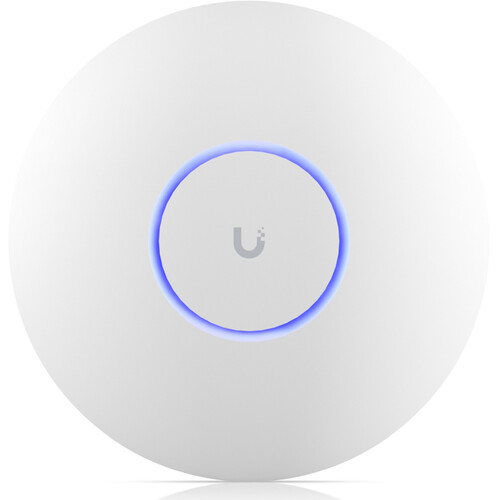
Ubiquiti UniFi U7 Pro
★ 5.0 Value Score
Technical Specifications
- Wi-Fi Standard: Wi-Fi 7 (802.11be), tri-band
- Spatial Streams (MIMO): 6 total; 2x2 MIMO per band (2.4 GHz, 5 GHz, 6 GHz)
- Aggregate Throughput: 9.3 Gbps (per-band: 2.4 GHz 688 Mbps, 5 GHz 2882 Mbps, 6 GHz 5765 Mbps)
- Radios (bands): 3 radios: 2.4 GHz, 5 GHz, 6 GHz
- Uplink Port Speed: 1x 2.5GbE RJ45 (1G/2.5G auto-negotiation)
- Max Clients: 300+ connected devices
- PoE Requirement: 802.3at PoE+ (44-57V DC input), approx. 21 W typical draw
Curation Review
- ✔ Pros: Tri-band Wi-Fi 7 with 6 GHz support at a low entry price; 2.5GbE uplink lets it outrun standard gigabit wired backhaul; single-cable PoE+ power simplifies deployment; 300+ client capacity suits small-to-medium offices and homes; wall and ceiling mounts included; 2-year warranty; managed centrally through the UniFi controller ecosystem
- ✘ Cons: Only 2x2 MIMO per band, so it trails 4x4-class Wi-Fi 7 APs and the U7 Pro Max; no 10GbE uplink for high-throughput environments; requires a UniFi controller (UniFi OS or Network app) for full management; PoE+ budget leaves no headroom for power-hungry add-ons; street prices often sit above the $189 MSRP; no built-in PoE injector, so a PoE+ switch or injector is required
- Est. Price: $179 - $237
Compare Against
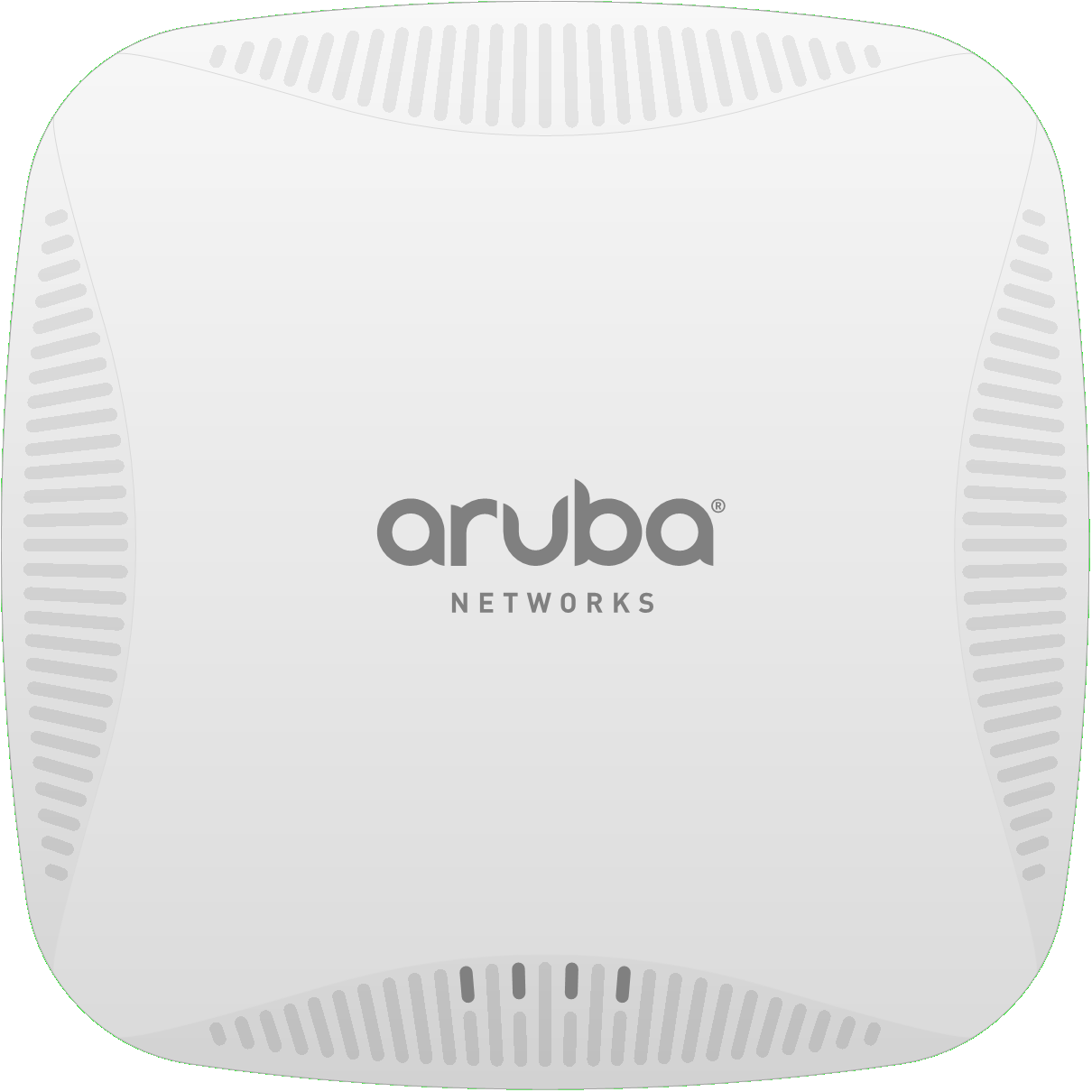
Aruba (HPE) Instant On AP33
★ 3.5 Value Score
Technical Specifications
- Wi-Fi Standard: 802.11ax (Wi-Fi 6)
- Spatial Streams (MIMO): 3x3 (both 2.4 GHz and 5 GHz)
- Aggregate Throughput: 3 Gbps
- Radios (Bands): Dual-band (2.4 GHz and 5 GHz)
- Uplink Port Speed: 2x 2.5 Gigabit Ethernet
- Max Clients: 128
- PoE Requirement: 802.3bt High Power PoE (90W)
Curation Review
- ✔ Pros: Wi-Fi 6 (802.11ax) delivers excellent throughput and multi-device capacity; Dual 2.5G uplink ports provide redundancy and higher backhaul bandwidth; 802.3bt High Power PoE flexibility enables cable runs up to 100m; Cloud-managed via Instant On portal with intuitive SMB-friendly dashboard; Compact form factor with modern industrial design; WPA3 security support and automatic firmware updates
- ✘ Cons: Requires 802.3bt High Power PoE infrastructure which may demand switch upgrades; No Wi-Fi 6E or 6 GHz band support limits future-proofing; Premium pricing compared to lower-tier Instant On models (AP15/AP17); Limited advanced enterprise features versus Aruba AOS/CX access points; High power consumption (90W) may increase cooling costs in dense deployments; Smaller maximum SSID count than enterprise alternatives
- Est. Price: $420 - $580