Primary Device
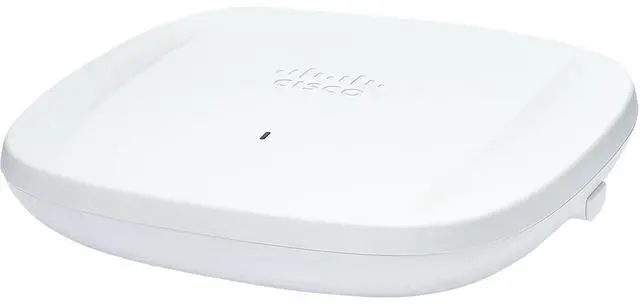
Cisco Catalyst 9176I (CW9176I)
★ 4.3 Value Score
Technical Specifications
- Switching Capacity: 51.2 Tbps
- Forwarding Rate: 38.4 Tbps
- Chassis Slots: 16-slot modular
- Port Options: Varies by line card configuration (up to 576 10GE/25GE ports or mixed)
- Layer Support: L2/L3
- PoE Support: Supported via optional PoE line cards
- Stacking Support: Yes, via Catalyst 9000 stacking
- Redundancy: Dual supervisor engines, hot-swappable
- Management: Cisco DNA Center compatible
- Max Power Consumption: 8400W
Curation Review
- ✔ Pros: Modular architecture allows flexible configuration for enterprise campuses; Extremely high switching capacity (51.2 Tbps) supports massive scale deployments; Full redundancy with dual supervisors and hot-swappable components; Integrated security and SD-Access ready; Supports latest 25GE/40GE/100GE line cards for future-proof design
- ✘ Cons: Very high capital expense ($85K–$125K+) makes it suitable only for large enterprises; Steep learning curve for network administrators unfamiliar with modular platforms; Requires significant power infrastructure (8400W maximum); Configuration complexity increases operational overhead; Price-to-performance ratio may be excessive for mid-market networks
- Est. Price: $85,000 - $125,000
Compare Against
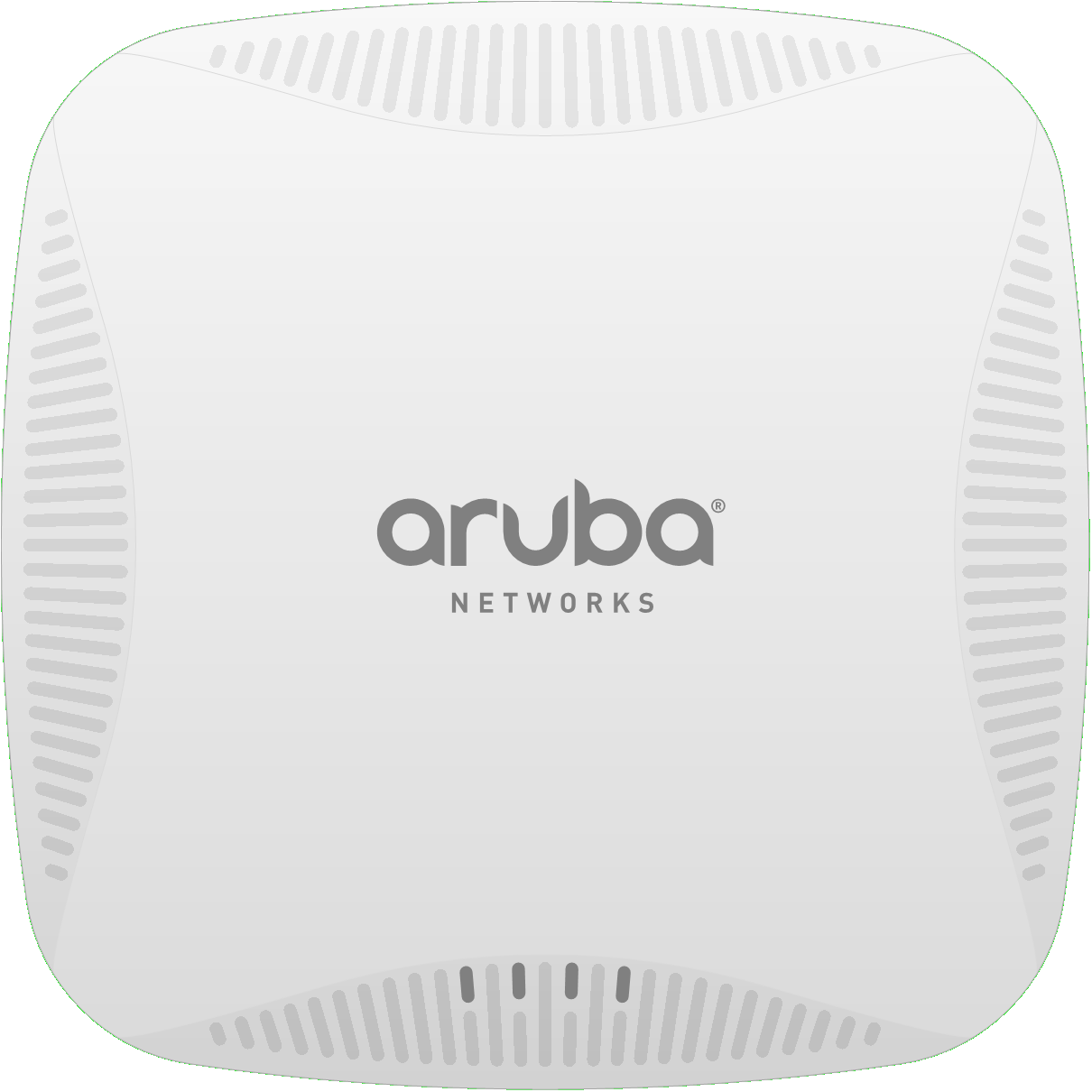
Aruba (HPE) Aruba AP-655
★ 3.4 Value Score
Technical Specifications
- Wi-Fi Standard: 802.11ax (WiFi 6)
- Spatial Streams (MIMO): 4x4 (2 streams per band)
- Aggregate Throughput: 2.4 Gbps
- Radios (Bands): Dual-band (2.4GHz, 5GHz)
- Uplink Port Speed: Dual 2.5 Gigabit Ethernet
- Max Clients: 256+ concurrent per AP
- PoE Requirement: PoE++ (High PoE, 90W)
- Form Factor: Ceiling mount, compact
- Antenna Configuration: Internal, optimized for enterprise coverage
Curation Review
- ✔ Pros: Advanced WiFi 6 (802.11ax) delivers superior performance and power efficiency; Dual 2.5G uplink ports enable redundancy and traffic aggregation; Enterprise-grade security with built-in threat detection and intrusion prevention; Exceptional range and client density ideal for large-scale deployments; Integrated analytics and health monitoring simplify network management
- ✘ Cons: Premium pricing limits adoption in budget-constrained environments; Requires PoE++ infrastructure investment across facility; WiFi 6 client penetration still ramping—legacy devices don't fully utilize new performance; Steep learning curve for IT teams unfamiliar with Aruba management interfaces; Potential over-provisioning for small-to-medium network deployments
- Est. Price: $950 - $1,400