Primary Device

Ubiquiti U7 Pro Outdoor
★ 4.6 Value Score
Technical Specifications
- Wi-Fi Standard: WiFi 7 (802.11be)
- Spatial Streams (MIMO): 6 (2x2 MU-MIMO on 2.4/5/6 GHz)
- Aggregate Throughput: 10.8 Gbps
- Radios (bands): Tri-band (2.4 GHz, 5 GHz, 6 GHz)
- Uplink Port Speed: 2.5 GbE RJ45
- Max Clients: 300+
- PoE Requirement: PoE+ (802.3at)
Curation Review
- ✔ Pros: Supports WiFi 7 and 6 GHz band for high-speed/low-latency; versatile antenna system allowing switch between directional (Super Antenna) and omni-directional; IP67 weatherproofing for extreme outdoor environments; 2.5 GbE uplink eliminates network bottlenecks.
- ✘ Cons: Does not include a PoE injector (requires PoE+ switch or separate injector); significantly heavier (1.2 kg) than previous outdoor models; requires a UniFi Console/Controller for management; lacks a standalone web user interface.
- Est. Price: $279 - $299
Compare Against
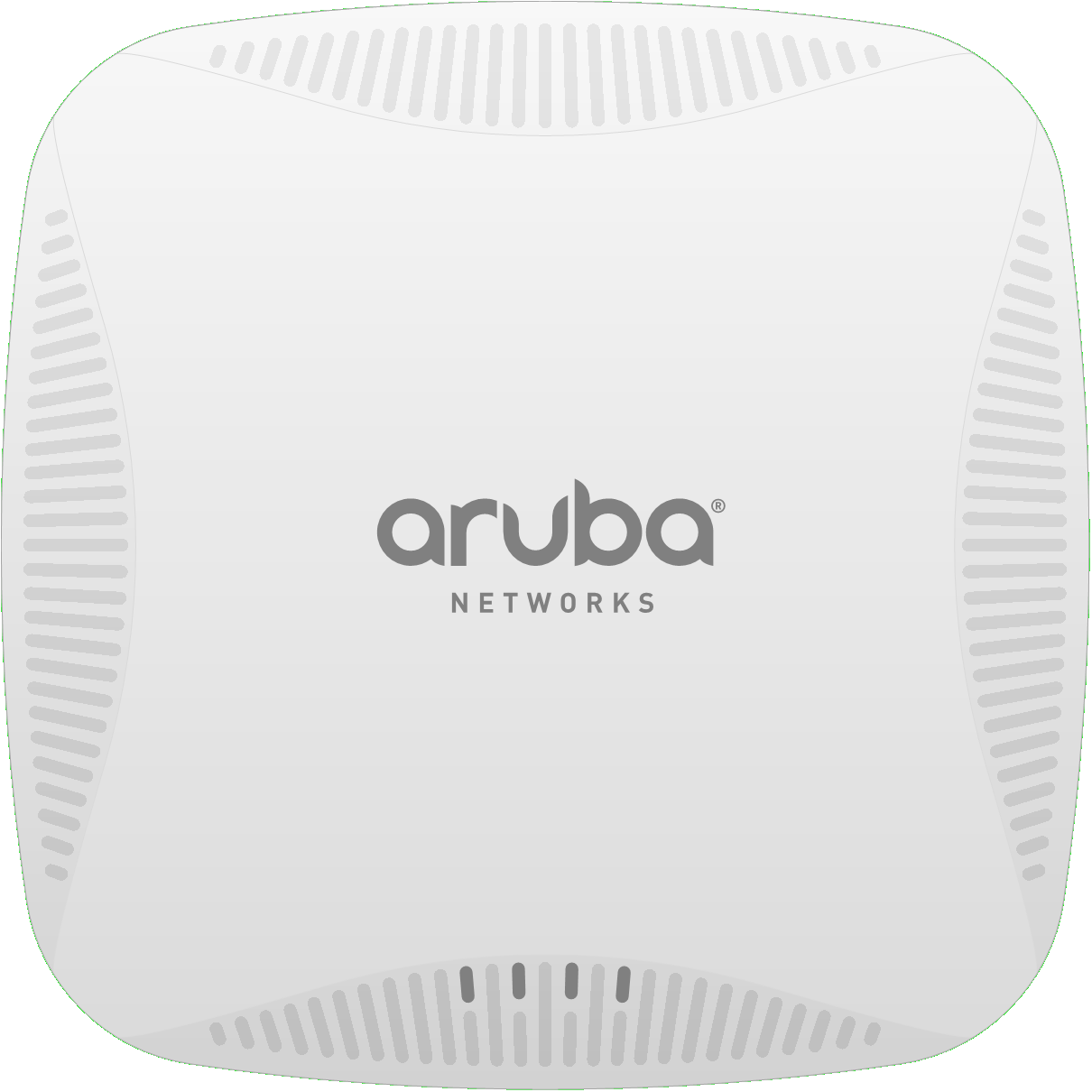
Aruba (HPE) Instant On AP45
★ 3.3 Value Score
Technical Specifications
- Wi-Fi Standard: 802.11ax (Wi-Fi 6)
- Spatial Streams (MIMO): 2x2
- Aggregate Throughput: 1.7 Gbps (1733 Mbps)
- Radios: Dual-band (2.4 GHz, 5 GHz)
- Uplink Port Speed: 1 GbE Ethernet
- Max Concurrent Clients: 128-256
- PoE Requirement: PoE+ (802.3at, 30W)
Curation Review
- ✔ Pros: Cloud-managed via Aruba Instant On portal—easy multi-AP deployment and centralized management; Wi-Fi 6 performance delivers 1.7 Gbps aggregate throughput suitable for SMB workloads; PoE+ powered (30W)—simplified installation without separate power supplies; WPA3 security support with encrypted cloud connectivity; Excellent cost-to-performance ratio for small/medium business networks; Seamless integration with cloud-based management dashboards
- ✘ Cons: Single 1 GbE uplink bottlenecks high-throughput scenarios and multi-AP deployments; Mandatory cloud connectivity for management—no pure on-premises control option; 2x2 MIMO limits coverage and performance vs. enterprise 4x4 AP models; Maximum client capacity (256) insufficient for dense deployments; PoE+ power draw (30W) leaves limited budget headroom on switches with constrained PoE capacity; Limited advanced RF tuning features compared to Aruba enterprise-grade APs
- Est. Price: $350 - $450